Mental Health Awareness End the Stigma Graphics and T-Shirt Designs
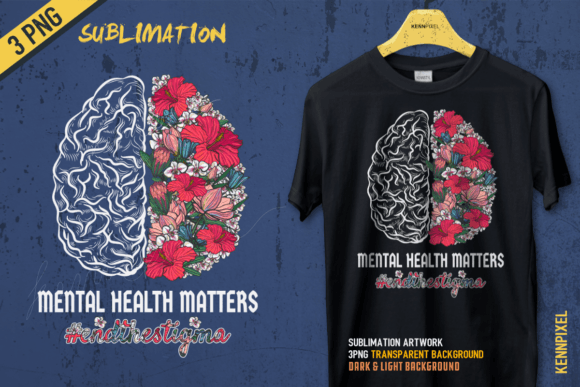
As a designer working on real client projects, I always look for graphic design assets that can elevate a concept without overwhelming it. Mental Health Awareness End the Stigma is one such digital product that offers a unique visual approach to a powerful message. The design combines abstract elements with floral motifs, creating a striking yet thoughtful aesthetic that can resonate with a wide audience.
The First Impression: A Thoughtful Visual Statement
Mental Health Awareness End the Stigma immediately conveys a sense of creativity and emotional depth. The use of an abstract brain intertwined with flowers suggests a blend of vulnerability and beauty, making it ideal for campaigns focused on mental health awareness. This design feels modern, artistic, and emotionally engaging, which makes it a strong candidate for branding efforts or marketing visuals targeting a compassionate, socially conscious audience.
The style is both abstract and symbolic, offering a fresh take on traditional mental health imagery. It avoids clichés while still communicating the intended message effectively. For designers looking to create a visual identity around mental health, this asset provides a solid foundation for further development.
Real-World Applications: Where It Shines
This design excels in large layout areas, where its intricate details can be fully appreciated. Whether used as a hero graphic for a social media campaign, a packaging design element, or a t-shirt design, it adds a layer of sophistication and meaning. Its high-resolution PNG format ensures clarity at any size, making it suitable for both digital and print applications.
For small business branding, handmade businesses, or Etsy products, Mental Health Awareness End the Stigma can serve as a key visual element. It works well as a sticker design, printable wall art, or part of a themed collection. Its sublimation-ready format also makes it a great option for custom merchandise like mugs, tote bags, and other promotional items.
In editorial design or web design, this graphic can act as a compelling focal point. It pairs well with clean typography, allowing the message to stand out without competing with the text. As a Canva template or Cricut project, it offers flexibility for users who want to incorporate meaningful visuals into their creative work.
Where to Use It Carefully
While Mental Health Awareness End the Stigma is versatile, it may not be the best fit for every project. In minimalist branding or professional corporate materials, its complexity could clash with the desired simplicity. Similarly, in low-contrast designs or crowded layouts, the details might get lost or become distracting.
For projects requiring strict visual hierarchy or clean brand consistency, this design may need to be paired carefully with other elements. It’s important to test it in black and white, on light and dark backgrounds, and at various sizes to ensure it remains effective across different mediums.
Design Considerations for Commercial Use
Before using Mental Health Awareness End the Stigma for a client project, it’s essential to verify the commercial license. This ensures that the design can be used without legal issues, especially when creating print-on-demand products or selling digital assets. Checking the file formats—such as PNG transparency and SVG editability—is also crucial for seamless integration into different design workflows.
Testing the design in real mockups helps determine how it will appear in final products. For example, if used in a t-shirt design, ensuring that the transparent background works well with different fabric colors is important. Similarly, for a product mockup, the resolution and clarity must hold up under various lighting conditions.
Practical Designer Notes
When considering Mental Health Awareness End the Stigma for a project, I recommend experimenting with different font styles. Pairing it with a serif font might add a more traditional feel, while a sans serif could give it a modern edge. A script or handwritten font could introduce a personal touch, depending on the brand’s voice.
It’s also wise to compare it with other design assets in your collection. Does it complement existing visuals? Does it align with the overall brand identity? These questions help determine whether the design will enhance or disrupt the visual narrative.
For print-on-demand sellers or small business owners, this graphic can be a valuable addition to a design bundle. Its versatility allows it to be used across multiple platforms, from social media graphics to packaging design. As a printable design, it offers a cost-effective way to create eye-catching content without compromising quality.
Conclusion: A Meaningful Addition to Your Design Toolkit
Mental Health Awareness End the Stigma is more than just a graphic design asset—it’s a statement. Its unique blend of abstract and floral elements makes it suitable for a variety of creative projects, from t-shirt designs to editorial spreads. When used thoughtfully, it can add emotional depth and visual interest to a design project.
For designers, brand owners, and small business operators, this asset represents an opportunity to create meaningful, impactful visuals. By understanding its strengths and limitations, you can make informed decisions about how to integrate it into your work. Whether you’re launching a new product line or supporting a cause, Mental Health Awareness End the Stigma offers a powerful visual tool for real-world design applications.